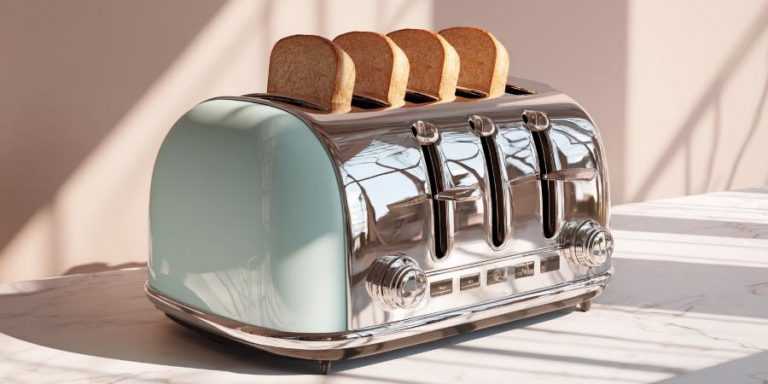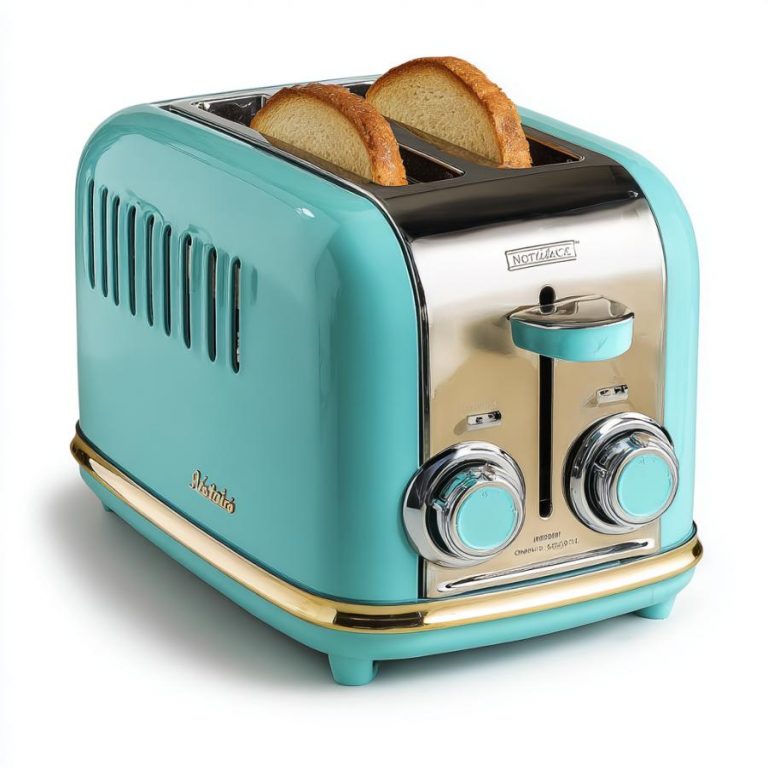
McGraw Edison Toastmaster 1950s Models
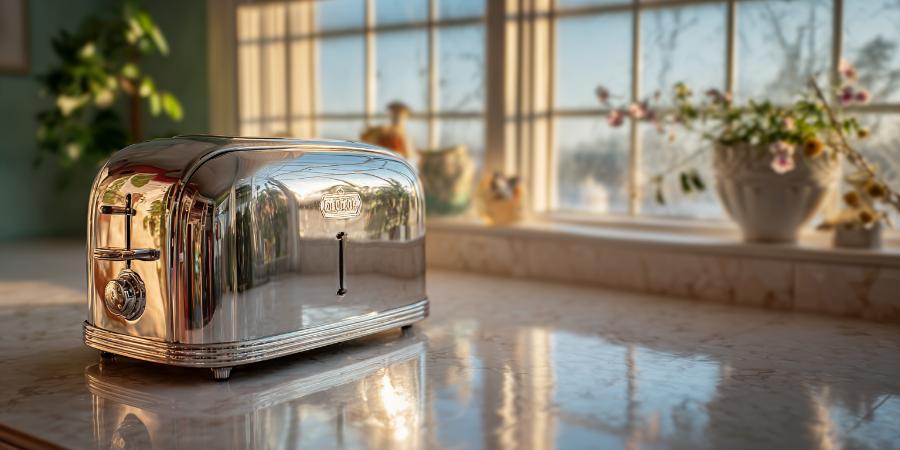
McGraw Edison Toastmaster 1950s Models
McGraw Edison Toastmaster 1950s models include the 1B14, 1B16, and 1B24. These vintage toasters feature chrome bodies, automatic pop-up mechanisms, and durable construction. Known for reliability, many still function today after decades of use. They represent mid-century innovation in kitchen appliances.
…
Introduction to McGraw Edison and Toastmaster
McGraw Electric Company began in 1900. It expanded through mergers. In 1929 the company purchased the Toastmaster brand. Toastmaster introduced the first automatic pop-up toaster in 1921. By 1957 McGraw Electric combined with Thomas A. Edison Industries to form McGraw-Edison. This new company manufactured a wide range of household appliances. The 1950s became a golden period for their toasters.
After World War II families wanted modern, convenient kitchens. McGraw Edison Toastmaster 1950s models delivered both style and performance. Chrome plating gave them a bright, clean appearance. Automatic pop-up eliminated the need to watch bread closely. Many included adjustable darkness settings. The focus remained on quality materials and long service life. Owners frequently passed these toasters to children and grandchildren.
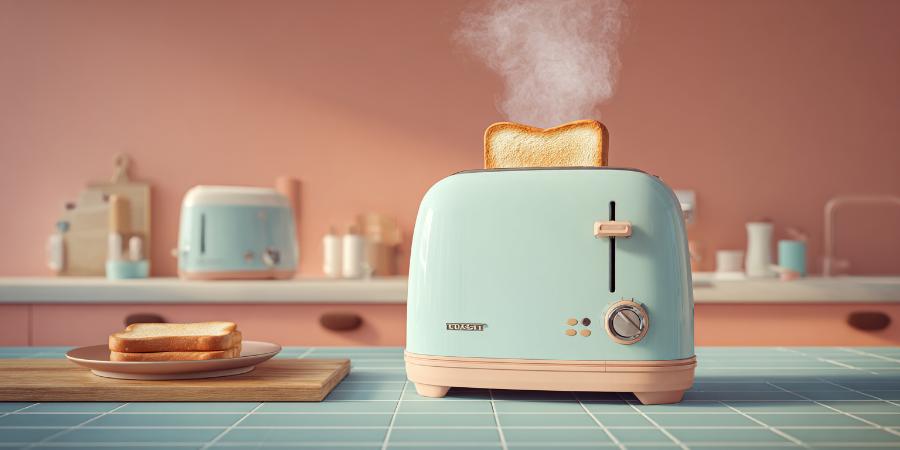
Image 1 Placeholder
Key Models from the 1950s
The 1B14 appeared around 1950. Consumer Reports once ranked it among the finest toasters produced. It features a polished chrome body and two-slice capacity. The pop-up mechanism operates smoothly. A simple dial controls toast darkness. Heat distribution remains even across both slots. Collectors value its consistent performance. Picture a toaster that treats every slice with the same care a good barber gives a haircut.
The 1B16 Super De Luxe Powermatic arrived in the early 1950s. McGraw-Edison created it to compete with Sunbeam’s automatic models. Bread lowers itself when the lever is pressed. A radiant control system determines doneness. The unit was assembled in Elgin, Illinois. It operates on 110-120 volts and draws roughly 10 amps. The streamlined shape carries faint Art Deco echoes. The weight feels reassuring.
The 1B24 emerged in the mid-1950s. McGraw-Edison manufactured this model in large numbers. Many were wedding or housewarming gifts. The rectangular form uses thick chrome plating that resists corrosion. Controls stay basic and intuitive. No unnecessary features clutter the design. It is amusing that such plain engineering frequently outlives appliances loaded with digital displays that fail within a few years.
Later 1950s models carried similar designs into the early 1960s. Engineers improved heating elements for better consistency. These toasters accepted thicker slices without complaint. English muffins toasted well even though bagels had not yet become common.
Key Features of 1950s Toastmaster Models
- Chrome Body – bright finish, resists wear
- Automatic Pop-Up – ejects toast when ready
- Darkness Control – dial for light to dark preference
- Two-Slice Capacity – standard family size
- Efficient Power – 110-120 volts, around 1000 watts
Simplicity that still works after seventy years.
Design and Technology
1950s industrial design favored clean lines and reflective surfaces. Chrome plating matched the era’s automobiles and kitchen sets. Toastmaster bodies featured smooth curves with occasional debossed geometric patterns. Circle and line motifs appeared on the sides of several models. The construction used heavy-gauge steel beneath the plating.
Core technology relied on mechanical thermostats rather than electronics. Nichrome wire formed the heating elements. This material heats rapidly and cools quickly. A bimetallic strip sensed temperature and triggered the pop-up springs. The entire system operated without circuit boards. Think of it as a dependable wind-up watch that keeps accurate time decade after decade.
Handles stayed cool thanks to Bakelite or similar insulators. Removable crumb trays caught debris. Owners simply shook out crumbs and wiped the exterior. Water never entered the mechanism. Power draw stayed modest at roughly 1000 watts. Any standard outlet sufficed.
Image 2 Placeholder
Durability and Lasting Legacy
McGraw-Edison emphasized sturdy construction. American factories assembled these units with careful attention to detail. High-quality components reduced the need for repairs. Thousands of 1950s Toastmasters continue to function in homes today. Owners report daily use spanning sixty to seventy years. Replacement heating elements remain available from specialty suppliers.
These toasters helped shape expectations for kitchen appliances. Automatic pop-up became industry standard. Vintage examples now attract collectors. Restored models sell between 50 and 250 dollars depending on condition. They bring authentic mid-century character to modern kitchens.
In an age of short-lived electronics, these toasters stand as proof that thoughtful design endures. They toasted countless slices for families through changing decades. A humble appliance that quietly proved its worth.
Model Timeline Overview
Visual progression through the decade (height = later introduction)
What Owners and Buyers Say
Customer feedback on McGraw Edison Toastmaster 1950s models centers on exceptional longevity. Many describe inheriting a unit their grandparents used daily for decades. Reviews praise even browning, solid construction, and trouble-free operation. Some mention the absence of modern conveniences such as cancel buttons or auto-shutoff, yet most view simplicity as an advantage. On collector forums, auction sites, and social media the typical rating falls between four and five stars for durability. A small number of users recommend periodic crumb removal to keep performance steady. Overall sentiment remains strongly positive.
*** See our guide for more info on Retro Toasters.