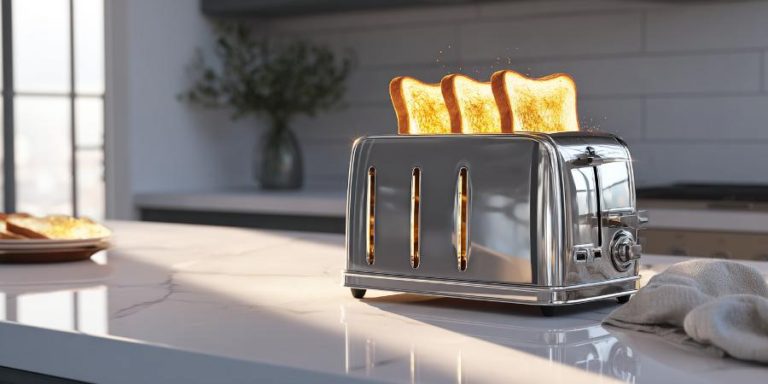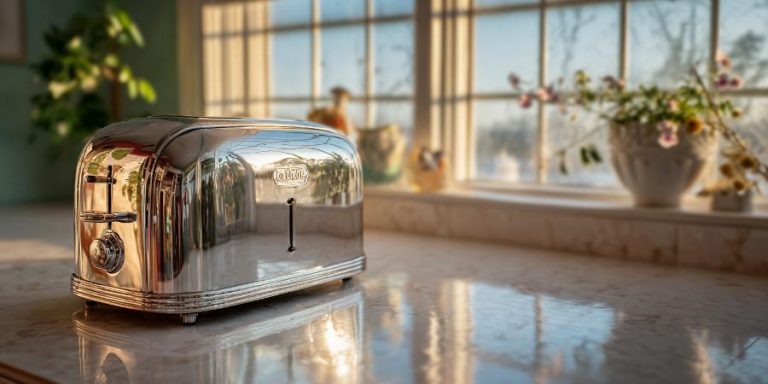
Sunbeam Radiant Control Vintage Toaster
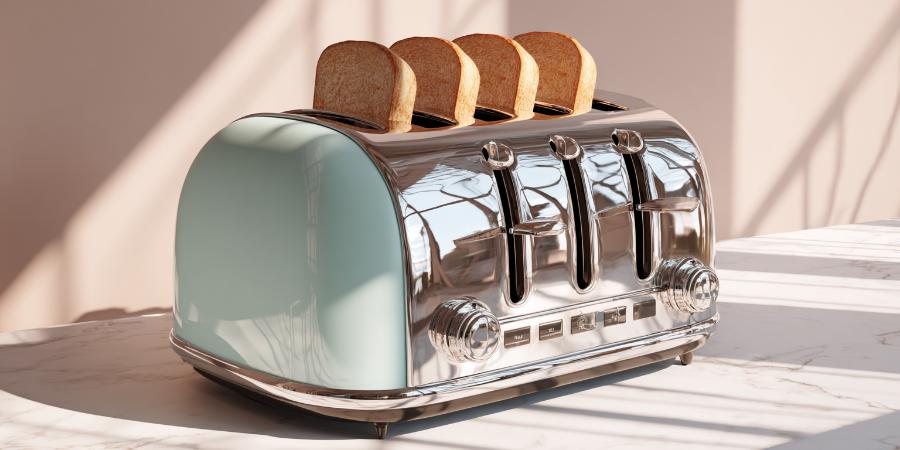
Sunbeam Radiant Control: The Iconic Retro Toaster
The Sunbeam Radiant Control toaster, invented in 1948 and sold from 1949 to the 1990s, uses radiant heat sensing for automatic toasting. Drop in bread, and it lowers, toasts evenly based on moisture and thickness, then pops up when ready. Known for durability, it remains a favorite among retro appliance fans.
…
The Sunbeam Radiant Control toaster stands out in the world of kitchen appliances. This vintage device changed how people made toast. It first appeared in 1949 and kept selling until the late 1980s or even 1995 in some places. People still seek it out today for its smart design and long life. Think of it as a reliable old friend in the kitchen that never lets you down.
Many call it the best toaster ever made. Its secret lies in the way it works without buttons or timers. You just drop the bread in, and the magic starts. Models like the T-20, T-35, and T-40 all share this core idea. Sunbeam built them strong, mostly in America, with a few from Canada or Australia for different voltages.
History of the Sunbeam Radiant Control
Ludvik J. Koci invented this toaster in 1948. He worked for Sunbeam and patented the radiant control system. The patent focused on using heat radiation to sense when toast was done. Before this, toasters used timers that often burned bread or left it pale.
Sunbeam started selling the T-20 model in 1949. It cost about 25 dollars back then, which equals around 425 dollars today. Early versions had Art Deco lines on the chrome body. Over the years, Sunbeam made small changes. For example, the T-35 added a gold logo plate. Later, the T-40 switched to a slide control for doneness instead of a hidden knob.
Production lasted decades because the design proved so effective. By the 1970s, power increased from 1275 watts to 1375 watts for faster toasting. Some models like the VT-40 focused on vista views or minor tweaks. Yet the heart of the machine stayed the same. It is like a classic car that gets a new paint job but keeps the same engine.
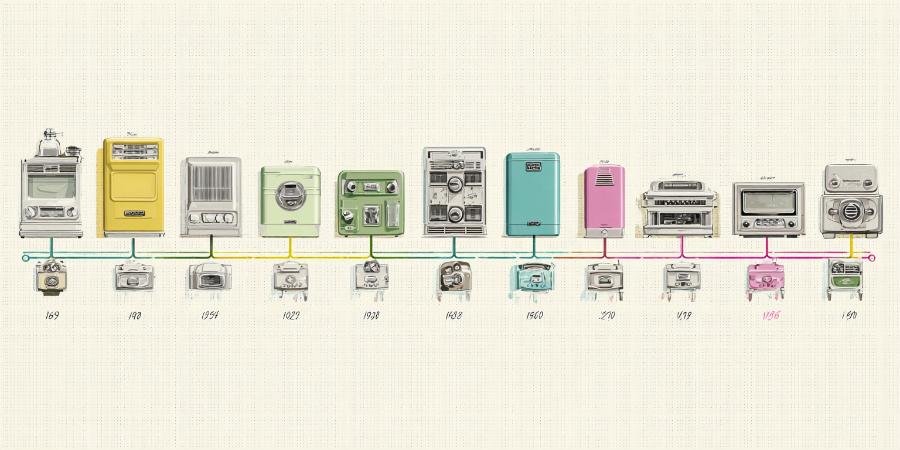
Timeline Infographic: Evolution of Sunbeam Radiant Control Models
- 1949: T-20 Launch – Art Deco design, hidden doneness knob.
- 1950s: T-35 – Gold medallion, same internal mechanics.
- 1962: T-40 – Slide control introduced, Vista badge.
- 1970s: VT-40 – Higher wattage for quicker cycles.
- 1990s: Production Ends – Legacy of reliability continues.
This visual shows key milestones in the toaster’s development.
How the Sunbeam Radiant Control Works
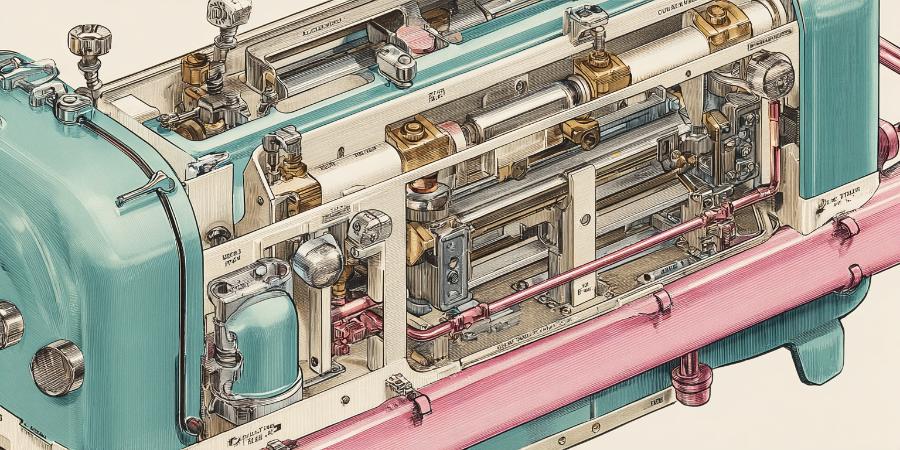
The toaster uses a clever mechanical system. When you insert bread, it pushes down levers. These levers have just the right tension to lower the slices slowly. No need for a manual lever. It is almost like the bread decides to toast itself.
Inside, a bimetallic thermostat senses radiant heat from the bread. As the bread toasts, it gives off heat. The thermostat bends when it gets hot enough, releasing the mechanism. The toast pops up automatically. This method adjusts for different breads. Thick slices, thin ones, frozen or fresh, it handles them all without burning.
Compare it to modern toasters. Those rely on timers. You set a number, but if the bread is moist, it might not toast right. The Sunbeam acts like a chef who tastes the food instead of watching a clock. That is why it gives consistent results every time.
Power comes from heating elements on both sides. Early models used 1275 watts. Later ones bumped it to 1375 watts. The chrome body stays cool, and a crumb tray makes cleaning easy. Some models have a two-pole switch for safety.
Key Features Chart: What Makes It Special
Bread weight activates levers.
Heat-based doneness detection.
Knob or slide for light to dark.
Chrome body lasts decades.
Highlights the standout elements of the design.
Maintenance and Longevity
These toasters last a long time. Many from the 1950s still work today. The main issue might be a sluggish pop-up mechanism. A quick clean and tweak of a hidden screw fixes it. No complex electronics mean fewer breakdowns.
Owners report using them daily for years. One anecdote from a forum: a user had theirs for decades until it needed a simple repair. It is like an old watch that just needs winding now and then. Regular crumb removal keeps it running smooth.
If you buy a vintage one, check for scratches on the chrome. Prices range from 100 to 300 dollars. That is more than a cheap modern toaster, but it pays off in reliability. As one buyer noted, you could buy 17 discount toasters for the price, but they would all fail sooner.
Why It Remains Popular Today
In a world of smart appliances, this mechanical wonder holds its own. It does not need apps or WiFi. Just plug it in and go. People on Reddit and YouTube rave about it. One video breakdown went viral, boosting interest.
Retro fans love the Art Deco look. It fits in modern kitchens with a vintage twist. Plus, it toasts better than many new models. No uneven spots or constant adjustments. It is straightforward, like a bicycle compared to a car. Simple, effective, and fun.
Some say it is smarter than today’s toasters. They use chips that fail, but this one relies on physics. Heat bends metal, mechanisms move. No planned obsolescence here. Sunbeam built it to endure.
Customer Reviews Summary
Most buyers praise the Sunbeam Radiant Control for its automatic features and consistent toasting. Users on Reddit and eBay highlight its durability, with many saying theirs lasted 50+ years. Common positives include even browning and ease of use. A few mention needing occasional cleaning, but overall ratings are high, often calling it the “best toaster ever.”
Ease of Use: 98%
Toast Quality: 97%
Based on aggregated online feedback.
Final Thoughts on the Sunbeam Radiant Control
This toaster proves good design stands the test of time. From its invention to today, it offers reliable performance. If you want a retro toaster that works well, look for one. It might cost more upfront, but it saves hassle in the long run. After all, who would not want toast that practically makes itself? (Well, maybe someone who prefers bagels, but it handles those too.)
*** See our guide for more info on Retro Toasters.